

Close Menu

    Subscribe to Updates

    Get the latest creative news from FooBar about art, design and business.

    What's Hot

    CallMeKevin – portrait of the Irish comedy gamer on YouTube

    July 11, 2026

    Seven Days Annual Cartoon Issue is Out for 2026

    July 11, 2026

    Dark Knights of Steel II #1 Preview: Medieval League Exposed!

    July 11, 2026
    Facebook X (Twitter) Instagram
    Facebook X (Twitter) Instagram YouTube TikTok
    Comic Vibe
    Saturday, July 11
    • Home
    • Comics
      • Comic Vibe News
    • Gaming
    • Movies
    • TV
    • Anime
    • Toys & Collectibles
    • Cosplay
    • Tech
    • Digital Culture
      • Creators & Fan Culture
      • Creator Economy & Fan-Driven Platforms
      • Digital Fandom & Online Communities
      • Metaverse & Virtual Worlds
      • NFTs & Digital Collectibles
      • Virtual Events & Online Conventions
      • Virtual Identity & Avatars
    • Shop
    Comic Vibe
    • Home
    • Contact Us
    • Terms & Conditions
    • Advertise With Us
    • DMCA Policy
    • Privacy Policy
    • About Us
    Home»Tech»Proton Is Valve’s Real Competitive Moat. The Clever Part Is That Valve Gave It Away.
    Tech

    Proton Is Valve’s Real Competitive Moat. The Clever Part Is That Valve Gave It Away.

    JamesBy JamesJuly 8, 2026No Comments5 Mins Read
    Facebook Twitter
    Proton Is Valve’s Real Competitive Moat. The Clever Part Is That Valve Gave It Away.
    Share
    Facebook Twitter
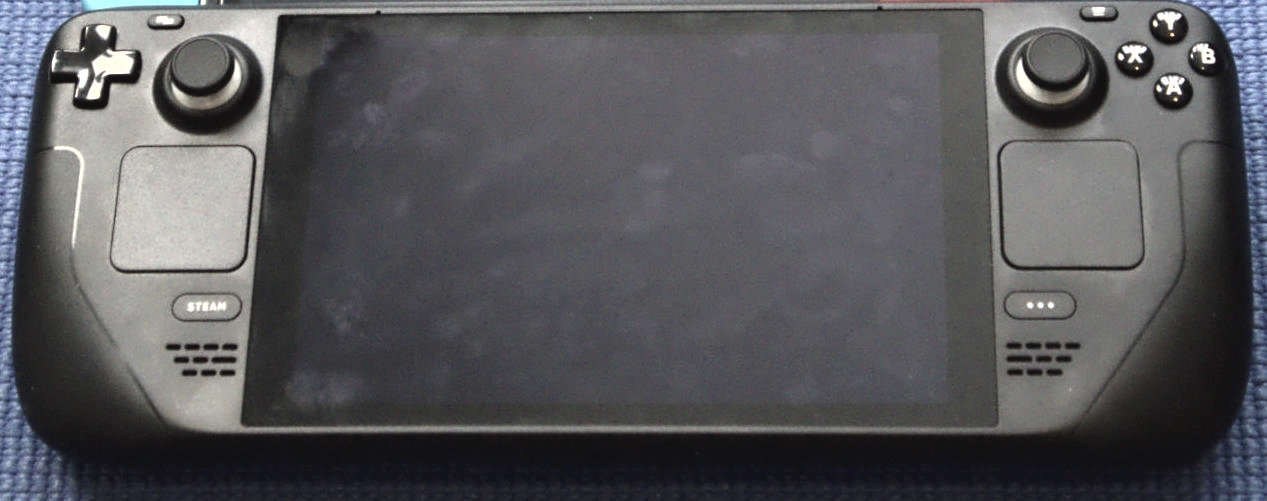
    Valve's Steam Deck handheld, the first device to inherit the entire Steam library through Proton
    Image: Valve Steam Deck / Wikimedia Commons

    The problem every hardware maker has, and Valve does not

    Launching new gaming hardware has one brutal, recurring problem, and it is not the silicon. It is the library. A new platform with no games is dead on arrival, which is why console makers spend years and fortunes courting exclusives and begging developers to port their catalogs. Every new device starts at zero and has to claw its way to a library worth owning. We have watched it play out painfully in VR, where headset after headset launched with thin software and struggled for it

    Valve does not have this problem, and Proton is the reason. Proton is Valve’s compatibility layer that lets Windows games run on Linux without the developer doing anything, and because all of Valve’s hardware runs on Linux-based SteamOS, that means every device the company launches arrives with an instant library of tens of thousands of existing Windows games. The Steam Deck did not need a single new port to have a killer library. Neither did the new Steam Machine. Neither will the Steam Frame. They inherit the entire back catalog of PC gaming on day one, translated invisibly. While competitors fight the content war one exclusive at a time, Valve already won it.

    The SteamOS logo, the Linux-based operating system every Valve device runs on
    Image: SteamOS logo / Valve, via Wikimedia Commons

    Why nobody can simply copy it

    Here is the part that makes it a genuine moat rather than just a nice feature. The instinctive question is why a competitor cannot just do the same thing, and the answer reveals the depth of Valve’s position. Proton itself is open source, so technically anyone can use it. But Proton on its own is not the asset. The asset is Proton plus the Steam store, plus the tens of thousands of games already sold there, plus well over a hundred million user accounts that already own libraries of those games. A rival could adopt the exact same compatibility technology tomorrow and still have none of the things that make it valuable. They would have a translation layer and nothing to translate.

    That is the difference between a feature and a moat. Sony, Microsoft, Meta, and Apple all operate walled gardens where each new device needs bespoke software support and developers must be convinced to show up. Valve built the opposite: one compatibility layer, and your existing purchases just work across every machine it makes. The more hardware Valve ships, the more valuable your Steam library becomes, and the more locked in you are to the ecosystem, not through restriction but through sheer convenience. That is a flywheel competitors cannot spin up by copying a single component.

    The counterintuitive genius of open-sourcing it

    Now the move that looks like a mistake until you think it through. Valve made this moat opensurface that seems like giving away the crown jewels. In practice it is exactly why the strategy works

    Because Proton is open, a global community of developers improves it constantly and for free, fixing games and advancing the technology faster than any single company could alone. It builds on the decades of open-source work in the Wine project rather than reinventing it. And by being open, it becomes the de facto standard for running Windows games anywhere but Windows, which suits Valve perfectly, because Valve does not monetize Proton. It monetizes the store. Give away the plumbing, own the marketplace it feeds. The openness is not charity, it is the mechanism that makes the moat wider and cheaper to maintain at the same time.

    Why this matters for VR specifically

    This is not an abstract business observation for us, because the next device riding this strategy is a VR headset. The entire pitch of the Steam Frame, that you can play your existing Steam library on it, wirelessly from a PC or increasingly standalone on its own ARM chip, is only credible because Proton exists and keeps advancing, including the recent work extending it toward ARM hardware. We laid out the stakes in our deep dive on everything riding on the Steam Frame, and the through line is the same one that powers the Deck and the Machine. Valve is not asking VR developers to rebuild their catalogs for a new headset. It is bringing the catalog with it.
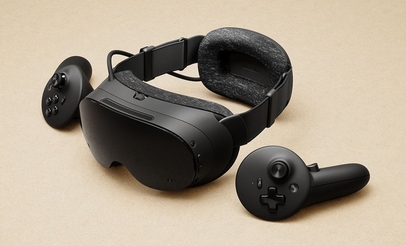
    Valve's Steam Frame standalone VR headset
    Image: Valve Steam Frame / Wikimedia Commons

    So when the next Proton release scrolls by looking like a boring update, remember what it is really doing. It is quietly reinforcing the one advantage that lets Valve launch hardware into categories where everyone else struggles with empty shelves, from handhelds to living-room boxes to VR headsets. The company built the most valuable compatibility technology in gaming, wired its entire hardware roadmap to it, and then handed the code to the world because it already owns the part that actually pays. That is not a giveaway. That is the moat, working exactly as designed.

    Competitive Moat Proton Real Valves
    Share. Facebook Twitter
    Previous ArticleA Major Spider-Man: Brand New Day Fan Theory Just Got Debunked (But There Could Still Be A Big Twist)
    Next Article Marvel Timeline: Correct Order to Watch All Movies and TV Shows (2026)
    James

    Related Posts

    The Challenger Has Arrived! Drakong Releases Debut Controller With Heavyweight Features And A Lightweight Price

    July 11, 2026

    Crypto meets competitive gaming as Wolves Esports ties Bilibili Gaming in VCT China Stage 2

    July 11, 2026

    What is Paranovus Entertainment Technology (PAVS) and Why is it So Heavily Shorted

    July 11, 2026

    Virtual Reality Dance Apps: Inside the Tech Solving Dance Floor Anxiety

    July 11, 2026
    Leave A Reply Cancel Reply

    Our Picks

    CallMeKevin – portrait of the Irish comedy gamer on YouTube

    July 11, 2026

    Seven Days Annual Cartoon Issue is Out for 2026

    July 11, 2026

    Dark Knights of Steel II #1 Preview: Medieval League Exposed!

    July 11, 2026

    Where to watch Game 2 of Cubs vs. Reds series tonight on free streams, TV

    July 11, 2026
    • Facebook
    • Twitter
    • Instagram
    • YouTube
    • TikTok
    • Telegram
    Don't Miss
    Creator Economy & Fan-Driven Platforms

    Former Priceline executive debuts Plannin, a booking platform that uses travel influencers to help plan trips

    By JamesMay 30, 20240

    Hotelsbycity.com co-founders and former Priceline executives Andrew Loewen and Randy Schartner have announced their latest…

    Twitch DJs must pay music labels to play their songs on live streams

    June 6, 2024

    Patreon introduces gifting features and more creator tools

    June 25, 2024

    Stripe’s seemingly easy acquisition, why is Twitch still in the red?

    July 30, 2024

    Subscribe to Updates

    Get the latest creative news from SmartMag about art & design.

    About Us
    About Us

    Comic Vibe is a pop-culture destination created for fans who live and breathe comics, movies, anime, TV shows, gaming, tech, cosplay, and collectibles.

    Our mission is to deliver engaging news, reviews, features, guides, and opinions that celebrate geek culture in all its forms. From the latest comic releases and blockbuster films to anime trends, gaming updates, cutting-edge tech, and collector culture, Comic Vibe brings everything together in one vibrant hub.

    Our Picks

    CallMeKevin – portrait of the Irish comedy gamer on YouTube

    July 11, 2026

    Seven Days Annual Cartoon Issue is Out for 2026

    July 11, 2026

    Dark Knights of Steel II #1 Preview: Medieval League Exposed!

    July 11, 2026

    Subscribe to Updates

    Get the latest comics, anime, movies, TV, gaming, cosplay, and pop culture news delivered directly to your inbox. No spam—just the stories every fan should know.

    Facebook X (Twitter) Instagram YouTube TikTok
    • Home
    • Contact Us
    • Terms & Conditions
    • Advertise With Us
    • DMCA Policy
    • Privacy Policy
    • About Us
    © 2026 Comic Vibe. Designed by Comic Vibe.

    Type above and press Enter to search. Press Esc to cancel.